


How to Balance Fast Feedback and Long-Term Durability in Incremental Solid Shaft Encoders for Automated Testing Equipment?
Release Time : 2026-05-09
In modern industrial automation and intelligent manufacturing, automated testing equipment places increasingly higher demands on motion control and position detection accuracy. Whether in CNC equipment, medical testing instruments, or industrial testing platforms, incremental solid shaft encoders undertake critical position feedback and speed detection tasks. Since automated testing equipment typically requires long-term, high-frequency operation, encoders must not only possess fast feedback capabilities but also excellent long-term durability.
1. High-Precision Photoelectric System Improves Feedback Speed
Incremental solid shaft encoders primarily output pulse signals through an internal photoelectric system, and their feedback speed directly affects the control accuracy of automated testing equipment. To improve responsiveness, encoders typically employ high-resolution code disks and high-speed photoelectric sensors, enabling rapid identification and conversion of rotational motion into stable pulse signals. High-precision optical structures not only reduce signal delay but also improve position detection sensitivity, thereby meeting the demands of automated testing equipment for high-speed acquisition and real-time control.
2. Solid Shaft Structure Enhances Mechanical Stability
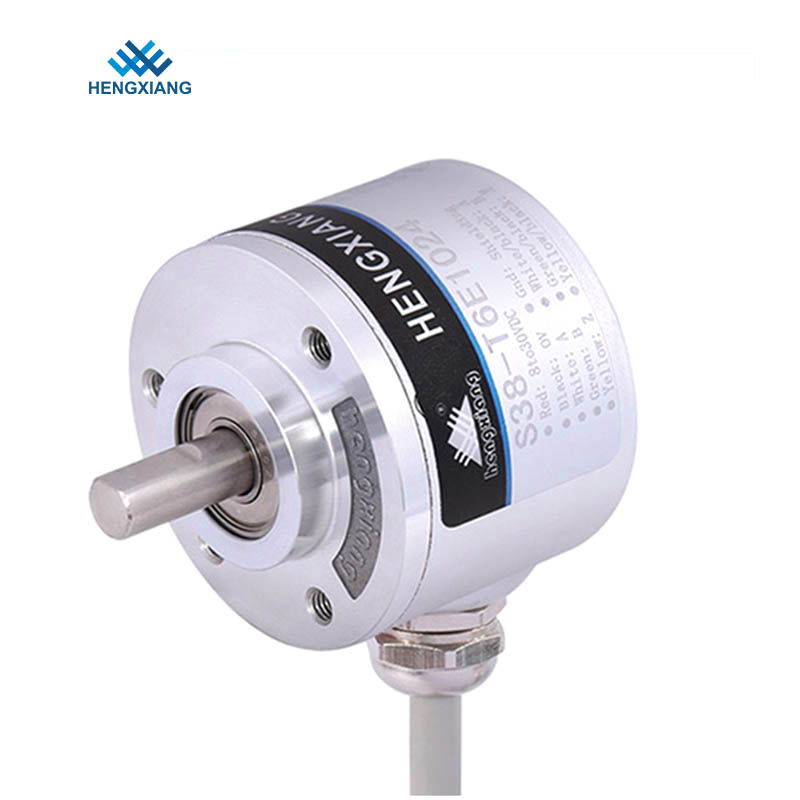
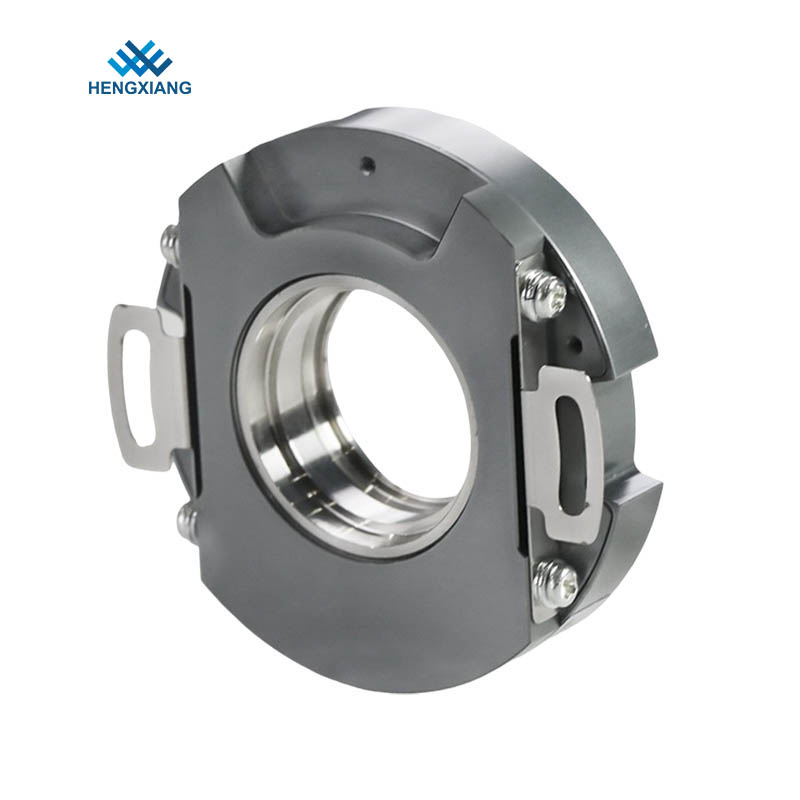
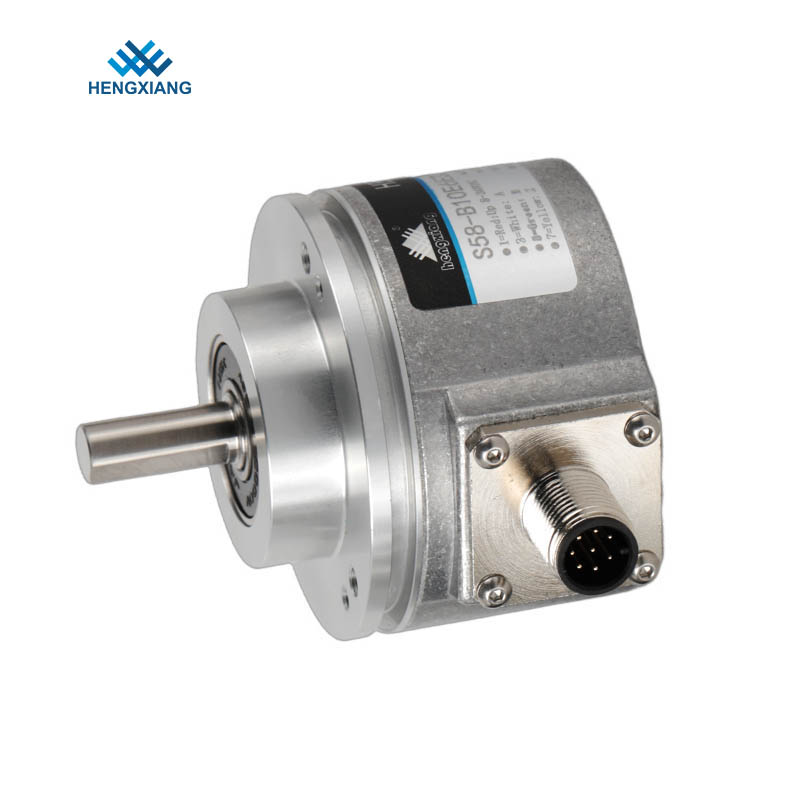
During continuous operation of automated equipment, encoders need to withstand high-speed rotation, vibration, and mechanical shock over extended periods. Insufficient structural strength can easily lead to shaft misalignment or internal wear, affecting feedback accuracy. Compared to hollow shaft structures, solid shaft encoders possess higher mechanical rigidity and shock resistance. Their shafts maintain stable coaxiality under high-frequency operating conditions, reducing rotational errors and improving long-term stability and durability.
3. Optimized Bearing System Extends Service Life
Bearings are crucial moving components within the encoder, and their performance directly impacts long-term operational stability. Automated testing equipment typically requires continuous operation for extended periods; therefore, encoders employ high-precision, low-friction bearings to reduce operating resistance and wear. Furthermore, some products utilize optimized lubrication and sealing designs to reduce dust and oil ingress into the internal structure, thereby extending bearing life. A stable bearing system not only maintains rapid response performance but also helps reduce accuracy degradation over long-term operation.
4. Anti-interference Design Improves Signal Stability
Automated testing environments often contain numerous motors, power supplies, and high-frequency equipment, all of which generate electromagnetic interference. Insufficient anti-interference capability in the encoder can lead to pulse signal distortion or data fluctuations. Therefore, incremental solid shaft encoders typically employ shielded cables, filtering circuits, and differential signal outputs to improve signal transmission stability. This not only ensures data accuracy during rapid feedback but also reduces the risk of malfunctions during long-term operation.
5. Compact and Durable Design for Complex Industrial Environments
Automated testing equipment often has limited installation space, so encoders need to be miniaturized while maintaining robustness and durability. Modern incremental solid shaft encoders typically feature a compact housing structure combined with high-strength metal materials to improve overall vibration and shock resistance. Some products also incorporate dustproof, oil-proof, and temperature-resistant designs, enabling long-term stable operation in complex industrial environments.
In summary, to achieve both rapid feedback and long-term durability in automated testing equipment, incremental solid shaft encoders require the coordinated efforts of multiple aspects, including high-precision photoelectric systems, stable solid shaft structures, durable bearings, and anti-interference designs. By optimizing internal structure and signal control performance, encoders can not only meet the demands of high-speed automated testing but also maintain stable and reliable operation during long-term industrial use.
1. High-Precision Photoelectric System Improves Feedback Speed
Incremental solid shaft encoders primarily output pulse signals through an internal photoelectric system, and their feedback speed directly affects the control accuracy of automated testing equipment. To improve responsiveness, encoders typically employ high-resolution code disks and high-speed photoelectric sensors, enabling rapid identification and conversion of rotational motion into stable pulse signals. High-precision optical structures not only reduce signal delay but also improve position detection sensitivity, thereby meeting the demands of automated testing equipment for high-speed acquisition and real-time control.
2. Solid Shaft Structure Enhances Mechanical Stability
During continuous operation of automated equipment, encoders need to withstand high-speed rotation, vibration, and mechanical shock over extended periods. Insufficient structural strength can easily lead to shaft misalignment or internal wear, affecting feedback accuracy. Compared to hollow shaft structures, solid shaft encoders possess higher mechanical rigidity and shock resistance. Their shafts maintain stable coaxiality under high-frequency operating conditions, reducing rotational errors and improving long-term stability and durability.
3. Optimized Bearing System Extends Service Life
Bearings are crucial moving components within the encoder, and their performance directly impacts long-term operational stability. Automated testing equipment typically requires continuous operation for extended periods; therefore, encoders employ high-precision, low-friction bearings to reduce operating resistance and wear. Furthermore, some products utilize optimized lubrication and sealing designs to reduce dust and oil ingress into the internal structure, thereby extending bearing life. A stable bearing system not only maintains rapid response performance but also helps reduce accuracy degradation over long-term operation.
4. Anti-interference Design Improves Signal Stability
Automated testing environments often contain numerous motors, power supplies, and high-frequency equipment, all of which generate electromagnetic interference. Insufficient anti-interference capability in the encoder can lead to pulse signal distortion or data fluctuations. Therefore, incremental solid shaft encoders typically employ shielded cables, filtering circuits, and differential signal outputs to improve signal transmission stability. This not only ensures data accuracy during rapid feedback but also reduces the risk of malfunctions during long-term operation.
5. Compact and Durable Design for Complex Industrial Environments
Automated testing equipment often has limited installation space, so encoders need to be miniaturized while maintaining robustness and durability. Modern incremental solid shaft encoders typically feature a compact housing structure combined with high-strength metal materials to improve overall vibration and shock resistance. Some products also incorporate dustproof, oil-proof, and temperature-resistant designs, enabling long-term stable operation in complex industrial environments.
In summary, to achieve both rapid feedback and long-term durability in automated testing equipment, incremental solid shaft encoders require the coordinated efforts of multiple aspects, including high-precision photoelectric systems, stable solid shaft structures, durable bearings, and anti-interference designs. By optimizing internal structure and signal control performance, encoders can not only meet the demands of high-speed automated testing but also maintain stable and reliable operation during long-term industrial use.