


How do bearing-ess magnetic encoders (hollow shafts) improve the efficiency of precision measurement and industrial applications?
Release Time : 2026-03-04
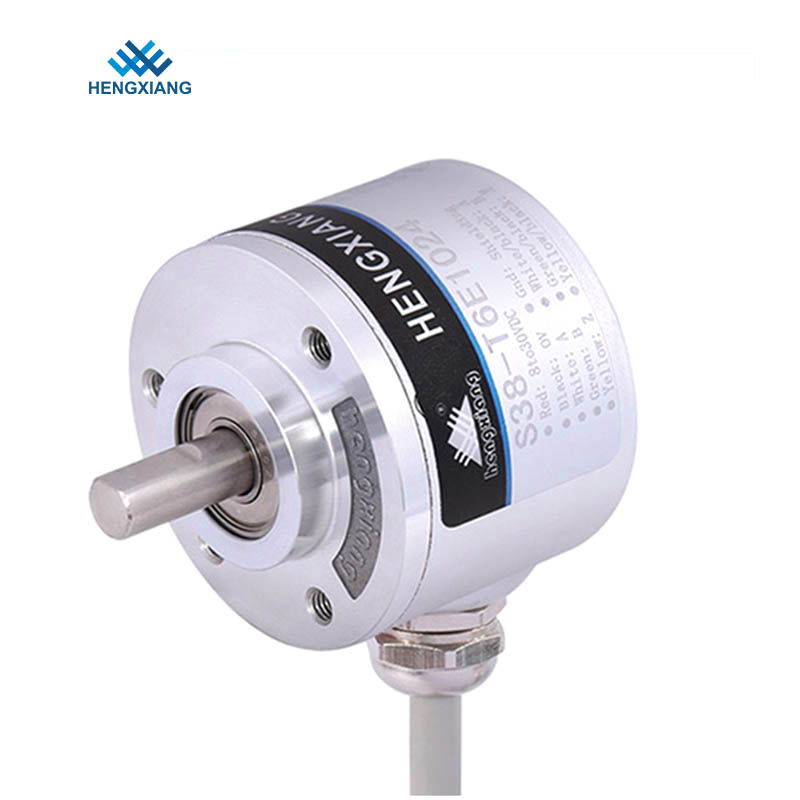
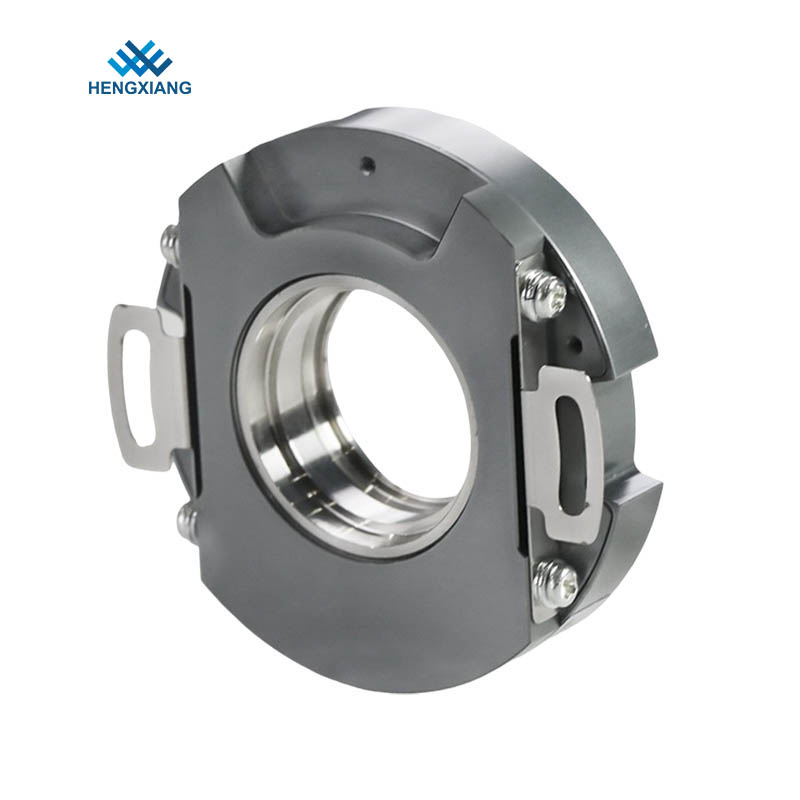
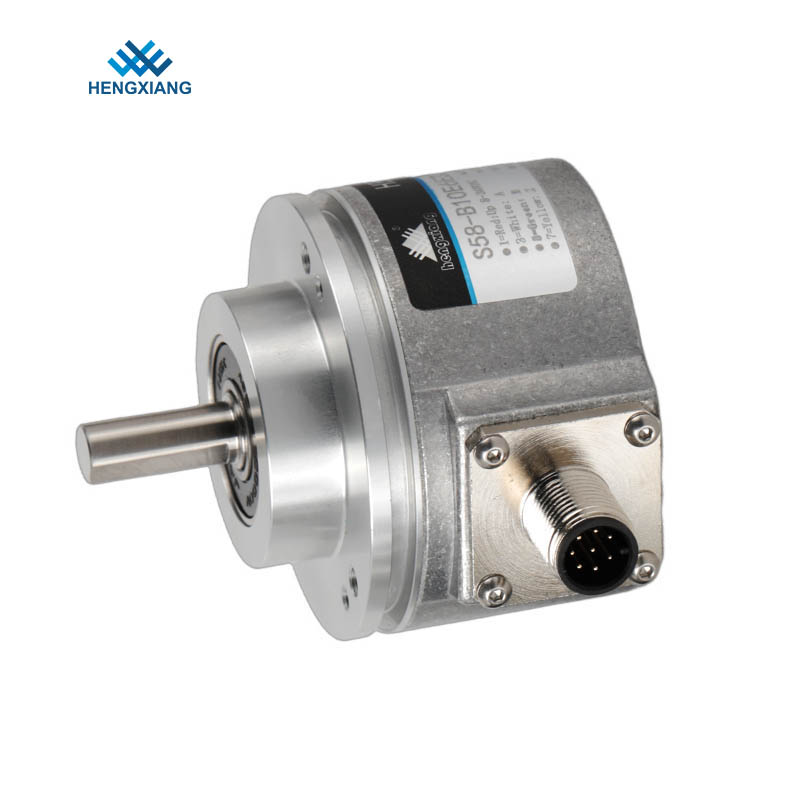
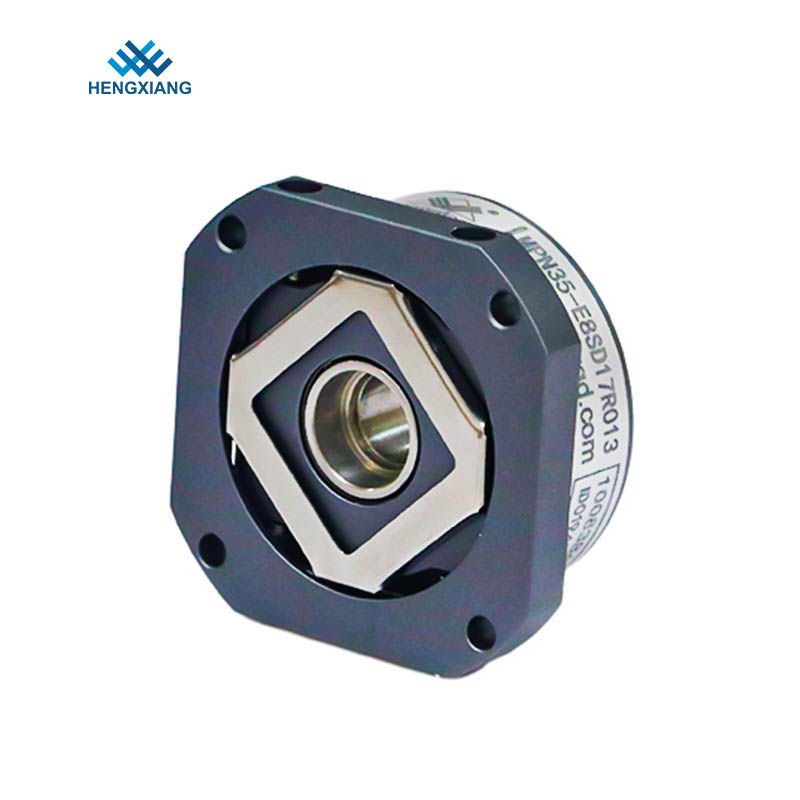
Bearing-ess magnetic encoders (hollow shafts), as high-precision position sensors, are widely used in various industrial automation, robotics, and precision measurement fields. They utilize the principle of magnetic fields to accurately measure the angle, speed, and position of objects by detecting changes in rotation or position. Compared to traditional mechanical encoders, bearing-ess magnetic encoders, with their hollow shaft design, eliminate the need for bearing support, effectively reducing friction and wear, and extending service life. This makes them particularly suitable for applications requiring high precision, high speed, and long-term stable operation. The hollow shaft design also makes the device more flexible, allowing for easy integration into various mechanical systems, especially demonstrating unique advantages in space-constrained or multi-axis coordination applications.
The working principle of a bearing-ess magnetic encoder is based on changes in magnetic induction. When the encoder's hollow shaft rotates, the built-in magnetic elements generate changing electrical signals through interaction with an external magnetic field. This signal is captured by a processor and converted into specific position information. Because it does not rely on physical contact or sliding parts, the entire system avoids the friction, wear, and mechanical failure problems common in traditional encoders, thus significantly improving the system's reliability and stability. The advantages of this bearingless design result in a longer lifespan and lower maintenance requirements for encoders in high-frequency, high-precision applications.
In many industrial applications, the precision requirements of equipment are increasingly stringent, especially under high-speed operation or high load conditions. Traditional mechanical transmission systems often suffer from measurement errors or reduced system efficiency due to bearing wear and friction. The bearing-essence magnetic encoder design solves this problem, providing a contactless solution. Due to its hollow shaft design, the encoder can be easily integrated into motors, drive systems, or other motion control devices, and can withstand high speeds and loads, ensuring stable system operation and consistently high measurement accuracy.
Bearing-essence magnetic encoders are widely used in many precision machines and automated equipment. Especially in robotics, CNC machine tools, conveyor systems, and power tools, they provide precise feedback signals, helping control systems accurately adjust motion paths and speeds. By coordinating with the control system, the hollow shaft magnetic encoder can detect the motion status of the equipment in real time and adjust the motion trajectory accordingly, thereby ensuring efficient system operation and accurate target positioning. Because it is unaffected by the wear issues of traditional bearings, the stability and lifespan of the entire system are greatly improved, reducing the frequency of equipment downtime for maintenance and lowering long-term operating costs.
Another significant advantage of hollow shaft magnetic encoders is their adaptability. Traditional encoder designs typically require the encoder shaft to be connected to external machinery, while the hollow shaft design allows direct connection to shafts or other components, without limitations in space, shape, or size. This design enables its widespread application in confined spaces or complex structures, and even in complex transmission systems. This flexibility has led to the widespread use of bearing-essence magnetic encoders in modern precision manufacturing, industrial automation, and IoT devices.
Furthermore, the durability of bearing-essence magnetic encoders is significantly superior to that of traditional encoders. With no contact parts, it generates very little friction and heat during operation, resulting in lower system wear and a relatively longer lifespan. This is undoubtedly a significant advantage for high-frequency, high-load industrial applications. Especially in harsh environments, such as those with high temperature, high humidity, strong magnetic fields, or corrosive gases, traditional encoders may malfunction due to component damage or failure. Bearing-ess magnetic encoders, however, can operate stably in these environments, ensuring long-term, high-efficiency operation of equipment.
In summary, the bearing-ess magnetic encoder (hollow shaft), with its precise measurement capabilities, durability, flexibility, and long lifespan, has become an indispensable core component in many precision devices. Its hollow shaft design not only allows for more compact and efficient operation but also overcomes the problems that traditional encoders may encounter under high load and high speed conditions. With the continuous development of industrial automation, robotics, and the Internet of Things, the bearing-ess magnetic encoder will continue to leverage its unique advantages in more fields, driving technological advancement and expanding applications. Through precise control and feedback, hollow shaft magnetic encoders provide more efficient, stable, and reliable solutions for many complex systems, helping various industries improve productivity and system efficiency.
The working principle of a bearing-ess magnetic encoder is based on changes in magnetic induction. When the encoder's hollow shaft rotates, the built-in magnetic elements generate changing electrical signals through interaction with an external magnetic field. This signal is captured by a processor and converted into specific position information. Because it does not rely on physical contact or sliding parts, the entire system avoids the friction, wear, and mechanical failure problems common in traditional encoders, thus significantly improving the system's reliability and stability. The advantages of this bearingless design result in a longer lifespan and lower maintenance requirements for encoders in high-frequency, high-precision applications.
In many industrial applications, the precision requirements of equipment are increasingly stringent, especially under high-speed operation or high load conditions. Traditional mechanical transmission systems often suffer from measurement errors or reduced system efficiency due to bearing wear and friction. The bearing-essence magnetic encoder design solves this problem, providing a contactless solution. Due to its hollow shaft design, the encoder can be easily integrated into motors, drive systems, or other motion control devices, and can withstand high speeds and loads, ensuring stable system operation and consistently high measurement accuracy.
Bearing-essence magnetic encoders are widely used in many precision machines and automated equipment. Especially in robotics, CNC machine tools, conveyor systems, and power tools, they provide precise feedback signals, helping control systems accurately adjust motion paths and speeds. By coordinating with the control system, the hollow shaft magnetic encoder can detect the motion status of the equipment in real time and adjust the motion trajectory accordingly, thereby ensuring efficient system operation and accurate target positioning. Because it is unaffected by the wear issues of traditional bearings, the stability and lifespan of the entire system are greatly improved, reducing the frequency of equipment downtime for maintenance and lowering long-term operating costs.
Another significant advantage of hollow shaft magnetic encoders is their adaptability. Traditional encoder designs typically require the encoder shaft to be connected to external machinery, while the hollow shaft design allows direct connection to shafts or other components, without limitations in space, shape, or size. This design enables its widespread application in confined spaces or complex structures, and even in complex transmission systems. This flexibility has led to the widespread use of bearing-essence magnetic encoders in modern precision manufacturing, industrial automation, and IoT devices.
Furthermore, the durability of bearing-essence magnetic encoders is significantly superior to that of traditional encoders. With no contact parts, it generates very little friction and heat during operation, resulting in lower system wear and a relatively longer lifespan. This is undoubtedly a significant advantage for high-frequency, high-load industrial applications. Especially in harsh environments, such as those with high temperature, high humidity, strong magnetic fields, or corrosive gases, traditional encoders may malfunction due to component damage or failure. Bearing-ess magnetic encoders, however, can operate stably in these environments, ensuring long-term, high-efficiency operation of equipment.
In summary, the bearing-ess magnetic encoder (hollow shaft), with its precise measurement capabilities, durability, flexibility, and long lifespan, has become an indispensable core component in many precision devices. Its hollow shaft design not only allows for more compact and efficient operation but also overcomes the problems that traditional encoders may encounter under high load and high speed conditions. With the continuous development of industrial automation, robotics, and the Internet of Things, the bearing-ess magnetic encoder will continue to leverage its unique advantages in more fields, driving technological advancement and expanding applications. Through precise control and feedback, hollow shaft magnetic encoders provide more efficient, stable, and reliable solutions for many complex systems, helping various industries improve productivity and system efficiency.