


How can a multi-turn solid encoder achieve high-precision position feedback in industrial automation equipment through a multi-turn counting design?
Release Time : 2026-03-12
In modern industrial automation equipment, the accuracy of position detection directly affects the stability and control performance of the equipment. Whether it's CNC machine tools, industrial robots, or automated production lines, the equipment requires continuous and accurate monitoring of the position of moving parts. As a high-precision position detection device, the multi-turn solid encoder can simultaneously record single-turn angular position and multi-turn rotation information, thus achieving more comprehensive position signal feedback.
1. Multi-turn counting structure for continuous position recording
In many industrial devices, mechanical axes often need to rotate continuously for multiple turns. If only single-turn position detection is used, the system struggles to accurately determine the current position after the equipment has rotated more than one turn. The multi-turn solid encoder, through its multi-turn counting structure, can record the cumulative number of rotations of the rotating axis and combine this with single-turn angular information to form complete position data. This design allows the equipment to maintain accurate positioning even in long-stroke or continuous rotation applications, avoiding position errors caused by lost rotation counts.
2. High-Resolution Single-Turn Information Improves Measurement Accuracy
Single-turn resolution is a crucial factor affecting encoder accuracy. High-precision photoelectric absolute encoders, through a sophisticated photoelectric detection system, can achieve up to 24 bits of single-turn position output. This means that within one rotation, the encoder can subdivide the angle into a large number of position points, resulting in more accurate angle measurements. When equipment performs precision motion control, this high-resolution position information helps the control system adjust the motion state more accurately, improving the overall operational accuracy of the equipment.
3. Combining Multi-Turn and Single-Turn Data Improves Positioning Reliability
The core advantage of multi-turn encoding technology lies in its ability to simultaneously acquire the number of rotations and single-turn angle data. When the encoder detects the rotational motion of the shaft, the system not only records the current angular position but also simultaneously updates the cumulative number of rotations. In this way, the equipment control system can obtain complete absolute position information, enabling rapid recovery of the current position data even after a power outage or restart. This absolute position feedback method effectively avoids the problem of recalibration required after a power outage in traditional incremental encoders, thereby improving the reliability of equipment operation.
4. Miniaturized Structure Enhances Equipment Adaptability
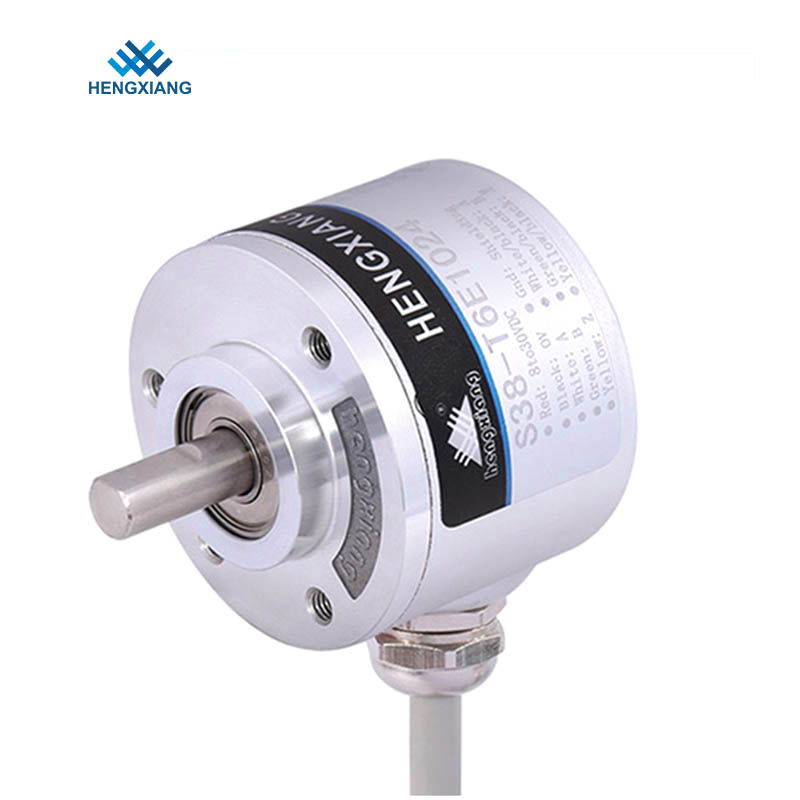
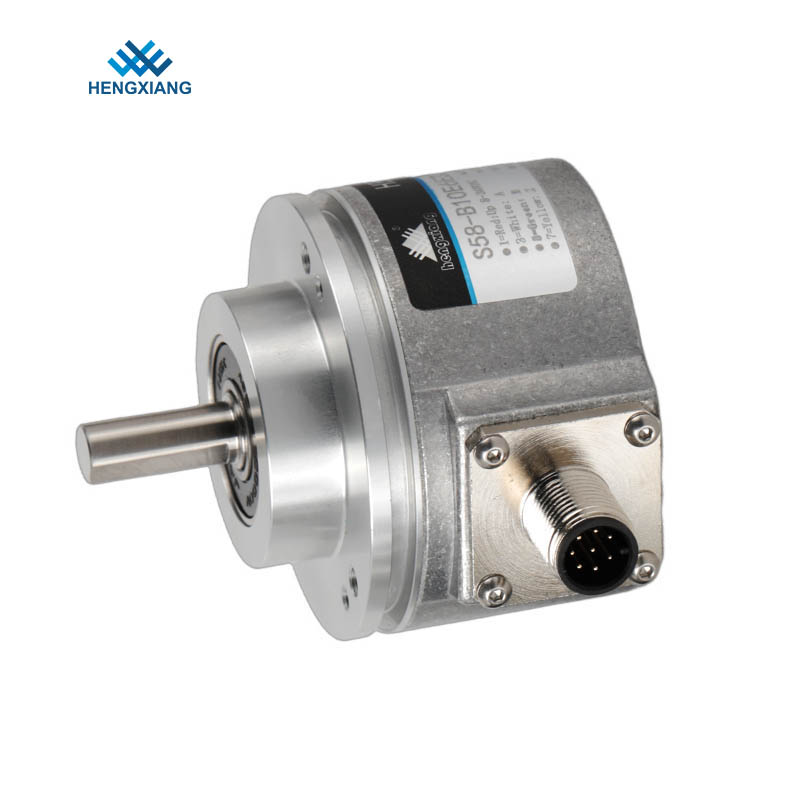
In industrial automation equipment, installation space is often limited, so encoder design must balance performance and size. Encoders with a solid shaft miniaturized design are not only compact but also offer more flexible installation options, making them suitable for various equipment structures. The compact design allows the encoder to be installed in motors, drive shafts, or precision mechanical structures without occupying excessive space. This structural advantage makes it a promising candidate for applications in robot joints, automated production equipment, and other similar scenarios.
5. Robust Structure Ensures Long-Term Stable Operation
Industrial environments often involve complex factors such as vibration, dust, and temperature variations, requiring encoders to possess excellent mechanical stability. Robust and durable encoders maintain stable performance during long-term operation, reducing measurement errors caused by external environmental influences. A stable and reliable structural design not only extends equipment lifespan but also ensures consistently accurate position feedback data.
Multi-turn solid encoders, combining multi-turn counting with high-resolution single-turn detection, provide high-precision position feedback capabilities for industrial automation equipment. By achieving continuous position recording, improving angular resolution, and enhancing system reliability, this type of encoder effectively improves the control accuracy and operational stability of automated equipment.
1. Multi-turn counting structure for continuous position recording
In many industrial devices, mechanical axes often need to rotate continuously for multiple turns. If only single-turn position detection is used, the system struggles to accurately determine the current position after the equipment has rotated more than one turn. The multi-turn solid encoder, through its multi-turn counting structure, can record the cumulative number of rotations of the rotating axis and combine this with single-turn angular information to form complete position data. This design allows the equipment to maintain accurate positioning even in long-stroke or continuous rotation applications, avoiding position errors caused by lost rotation counts.
2. High-Resolution Single-Turn Information Improves Measurement Accuracy
Single-turn resolution is a crucial factor affecting encoder accuracy. High-precision photoelectric absolute encoders, through a sophisticated photoelectric detection system, can achieve up to 24 bits of single-turn position output. This means that within one rotation, the encoder can subdivide the angle into a large number of position points, resulting in more accurate angle measurements. When equipment performs precision motion control, this high-resolution position information helps the control system adjust the motion state more accurately, improving the overall operational accuracy of the equipment.
3. Combining Multi-Turn and Single-Turn Data Improves Positioning Reliability
The core advantage of multi-turn encoding technology lies in its ability to simultaneously acquire the number of rotations and single-turn angle data. When the encoder detects the rotational motion of the shaft, the system not only records the current angular position but also simultaneously updates the cumulative number of rotations. In this way, the equipment control system can obtain complete absolute position information, enabling rapid recovery of the current position data even after a power outage or restart. This absolute position feedback method effectively avoids the problem of recalibration required after a power outage in traditional incremental encoders, thereby improving the reliability of equipment operation.
4. Miniaturized Structure Enhances Equipment Adaptability
In industrial automation equipment, installation space is often limited, so encoder design must balance performance and size. Encoders with a solid shaft miniaturized design are not only compact but also offer more flexible installation options, making them suitable for various equipment structures. The compact design allows the encoder to be installed in motors, drive shafts, or precision mechanical structures without occupying excessive space. This structural advantage makes it a promising candidate for applications in robot joints, automated production equipment, and other similar scenarios.
5. Robust Structure Ensures Long-Term Stable Operation
Industrial environments often involve complex factors such as vibration, dust, and temperature variations, requiring encoders to possess excellent mechanical stability. Robust and durable encoders maintain stable performance during long-term operation, reducing measurement errors caused by external environmental influences. A stable and reliable structural design not only extends equipment lifespan but also ensures consistently accurate position feedback data.
Multi-turn solid encoders, combining multi-turn counting with high-resolution single-turn detection, provide high-precision position feedback capabilities for industrial automation equipment. By achieving continuous position recording, improving angular resolution, and enhancing system reliability, this type of encoder effectively improves the control accuracy and operational stability of automated equipment.