


How does an incremental solid shaft encoder ensure accurate position detection during elevator start-up and stop?
Release Time : 2026-06-24
In modern elevator control systems, the accuracy of position detection directly affects the smoothness and safety of passenger travel. During start-up and stop, the elevator needs to accurately determine the car's position, speed changes, and deceleration point. Errors in the feedback signal can lead to inaccurate stopping, increased start-up and stop shocks, or even abnormal operation. As a key feedback element in elevator control systems, the incremental solid shaft encoder plays a crucial role in position detection due to its compact structure, sensitive response, and stable output.
1. Providing High-Resolution Pulse Feedback for Precise Positioning
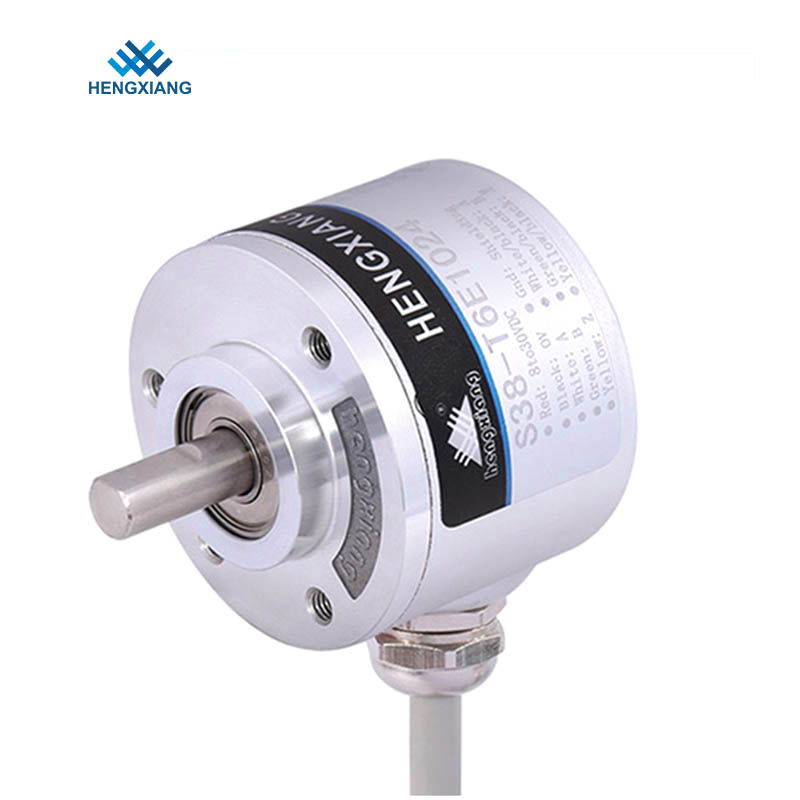
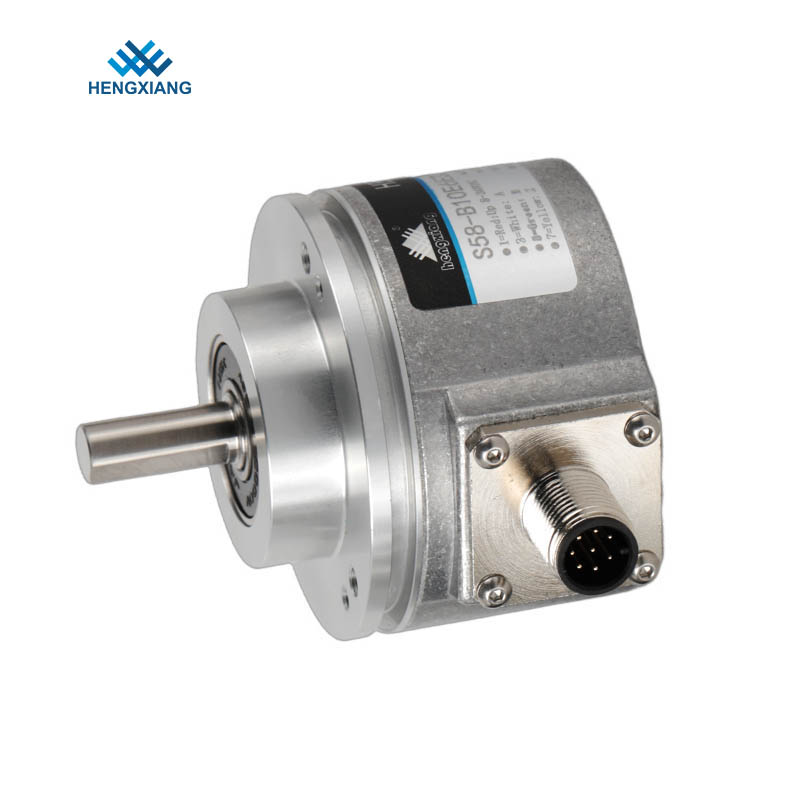
The incremental solid shaft encoder generates pulse signals by rotating its shaft, which drives an internal photoelectric or magnetoelectric structure. The control system accumulates the number of pulses to determine the elevator car's displacement and speed changes. During elevator start-up and stop, the encoder can output continuous pulse signals at high resolution, allowing the control system to monitor minute changes in the car's position in real time. Especially during deceleration, the fine pulse feedback helps the system accurately calculate the deceleration distance, thus achieving a smooth stop and avoiding shocks or overshoot.
2. Improved Detection Stability at Low Speeds
Elevators typically operate at low speeds during startup and approach to floors, resulting in slow position changes and higher demands on signal stability. Unstable encoder signals can easily lead to control misjudgments. Incremental solid shaft encoders maintain stable pulse output even at low speeds. Through high-quality signal acquisition and anti-interference design, the control system can continuously obtain reliable speed and position information. This stability provides a crucial foundation for smooth elevator start-stop.
3. Enhanced Anti-interference Capabilities Ensure Signal Reliability
Elevator systems often operate in complex electromagnetic environments. Motor startup, electromagnetic braking, and inverter operation all generate interference. Insufficient encoder anti-interference capabilities can lead to pulse signal loss or miscounting. Solid shaft encoders employ a robust structural design, coupled with shielded cables and differential signal output, effectively reducing the impact of external electromagnetic interference on signal transmission. Simultaneously, their high mechanical structural stability helps reduce signal fluctuations caused by vibration, thereby improving overall detection reliability.
4. Optimized Mechanical Structure Improves Operational Consistency
Frequent starts, stops, and direction changes during elevator operation place high demands on the mechanical stability of the encoder. The solid shaft structure allows for a tight connection with the motor shaft or drive shaft, reducing slippage or backlash errors. This rigid connection ensures synchronization between the encoder and the elevator drive system, making position feedback more accurate and reliable. Simultaneously, its compact and robust structure allows it to adapt to long-term continuous operation, reducing maintenance frequency.
5. Supports Closed-Loop Control for Precise Start and Stop
Modern elevator control systems typically employ closed-loop control, dynamically adjusting the motor's operating state by comparing encoder feedback signals with control commands in real time. The continuous pulse signals provided by the incremental solid shaft encoder enable the control system to accurately determine the difference between the elevator's current position and the target floor, thus achieving smooth acceleration and deceleration control. This closed-loop adjustment mechanism significantly improves the smoothness and positioning accuracy of the elevator's start and stop processes.
In elevator operation control systems, the incremental solid shaft encoder, through its high-resolution pulse output, stable low-speed feedback capability, excellent anti-interference performance, and reliable mechanical structure, effectively ensures the accuracy of position detection during start and stop processes. Its close cooperation with the closed-loop control system not only improves the smoothness and safety of elevator operation but also enhances the overall system reliability.
1. Providing High-Resolution Pulse Feedback for Precise Positioning
The incremental solid shaft encoder generates pulse signals by rotating its shaft, which drives an internal photoelectric or magnetoelectric structure. The control system accumulates the number of pulses to determine the elevator car's displacement and speed changes. During elevator start-up and stop, the encoder can output continuous pulse signals at high resolution, allowing the control system to monitor minute changes in the car's position in real time. Especially during deceleration, the fine pulse feedback helps the system accurately calculate the deceleration distance, thus achieving a smooth stop and avoiding shocks or overshoot.
2. Improved Detection Stability at Low Speeds
Elevators typically operate at low speeds during startup and approach to floors, resulting in slow position changes and higher demands on signal stability. Unstable encoder signals can easily lead to control misjudgments. Incremental solid shaft encoders maintain stable pulse output even at low speeds. Through high-quality signal acquisition and anti-interference design, the control system can continuously obtain reliable speed and position information. This stability provides a crucial foundation for smooth elevator start-stop.
3. Enhanced Anti-interference Capabilities Ensure Signal Reliability
Elevator systems often operate in complex electromagnetic environments. Motor startup, electromagnetic braking, and inverter operation all generate interference. Insufficient encoder anti-interference capabilities can lead to pulse signal loss or miscounting. Solid shaft encoders employ a robust structural design, coupled with shielded cables and differential signal output, effectively reducing the impact of external electromagnetic interference on signal transmission. Simultaneously, their high mechanical structural stability helps reduce signal fluctuations caused by vibration, thereby improving overall detection reliability.
4. Optimized Mechanical Structure Improves Operational Consistency
Frequent starts, stops, and direction changes during elevator operation place high demands on the mechanical stability of the encoder. The solid shaft structure allows for a tight connection with the motor shaft or drive shaft, reducing slippage or backlash errors. This rigid connection ensures synchronization between the encoder and the elevator drive system, making position feedback more accurate and reliable. Simultaneously, its compact and robust structure allows it to adapt to long-term continuous operation, reducing maintenance frequency.
5. Supports Closed-Loop Control for Precise Start and Stop
Modern elevator control systems typically employ closed-loop control, dynamically adjusting the motor's operating state by comparing encoder feedback signals with control commands in real time. The continuous pulse signals provided by the incremental solid shaft encoder enable the control system to accurately determine the difference between the elevator's current position and the target floor, thus achieving smooth acceleration and deceleration control. This closed-loop adjustment mechanism significantly improves the smoothness and positioning accuracy of the elevator's start and stop processes.
In elevator operation control systems, the incremental solid shaft encoder, through its high-resolution pulse output, stable low-speed feedback capability, excellent anti-interference performance, and reliable mechanical structure, effectively ensures the accuracy of position detection during start and stop processes. Its close cooperation with the closed-loop control system not only improves the smoothness and safety of elevator operation but also enhances the overall system reliability.