


How does the hollow shaft design of an incremental optical encoder simplify installation on existing motor shafts?
Release Time : 2026-08-11
The integration of an incremental optical encoder is a fundamental requirement in modern industrial automation, providing critical feedback for position, speed, and direction. However, traditional solid shaft encoders have historically presented significant mechanical integration challenges. The introduction of the hollow shaft design has revolutionized this process, dramatically simplifying installation on existing motor shafts by eliminating the need for complex coupling mechanisms and reducing spatial requirements.
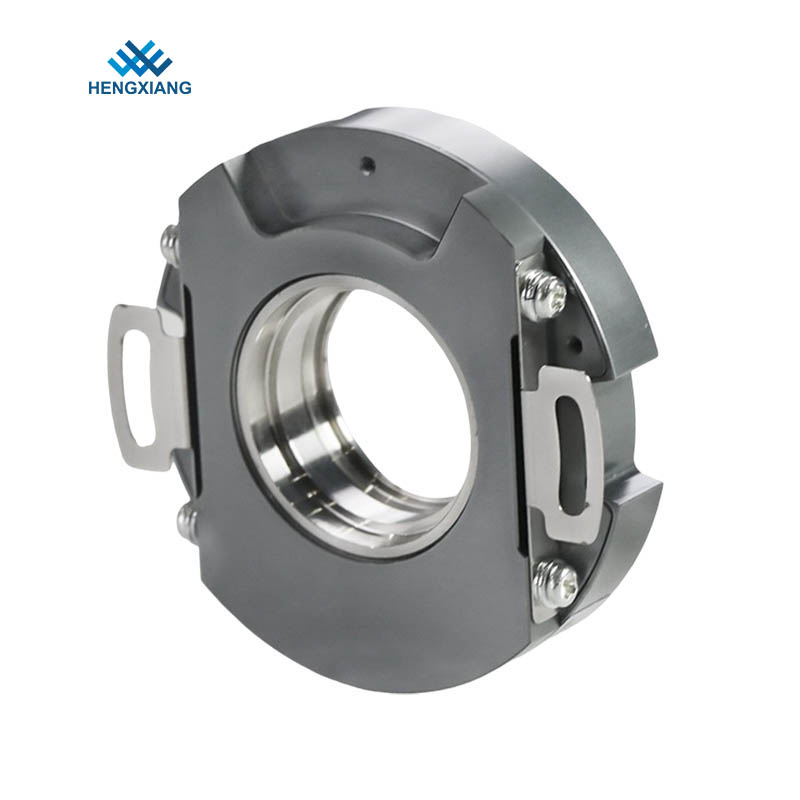
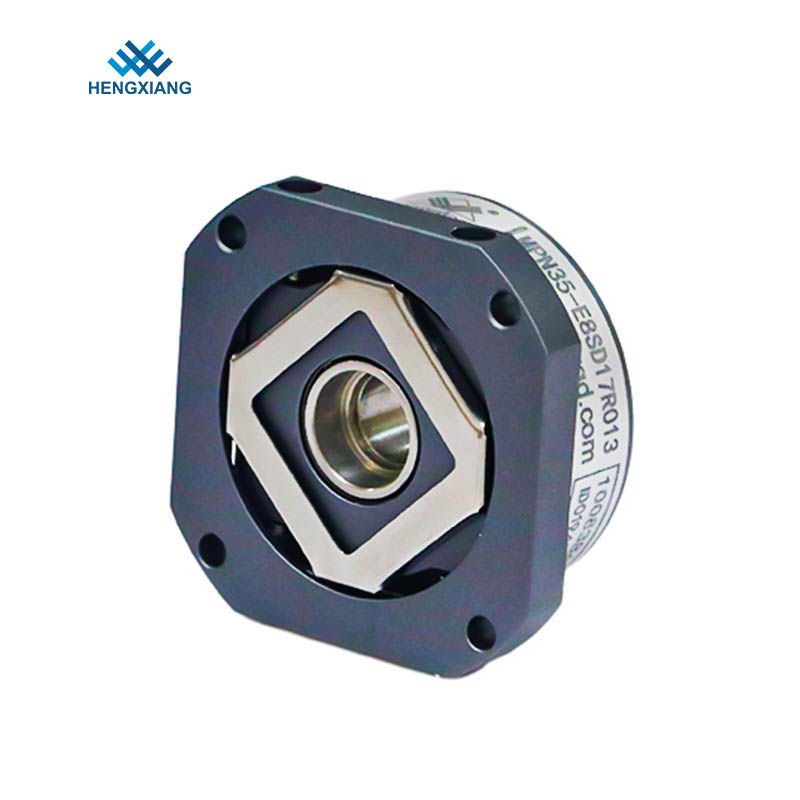
The primary advantage of the hollow shaft design is the direct, concentric mounting capability. Unlike a solid shaft encoder that requires a separate, flexible coupling to bridge the gap between the motor and the sensor, a hollow shaft encoder is designed to be pushed directly onto the drive shaft. This direct interaction removes the intermediate coupling component entirely. By eliminating this mechanical link, engineers bypass the tedious and often imprecise alignment processes associated with traditional setups. Any deviation in concentricity when using external couplings can introduce mechanical loads that exceed the encoder's rated limits, leading to premature bearing failure. The hollow shaft design inherently mitigates this risk by ensuring a perfectly centered fit, thereby protecting the delicate optical internals and extending the operational lifespan of the device.
Furthermore, this design significantly optimizes the axial footprint of the assembly. Traditional solid shaft configurations require additional axial space to accommodate both the encoder body and the coupling mechanism. In contrast, the hollow shaft encoder slides over the motor shaft, requiring only the physical depth of the encoder itself. This compact profile is exceptionally beneficial in space-constrained applications, such as robotics, servo motors, and automated guided vehicles, where minimizing the overall length of the drive train is critical. The reduction in installation space not only allows for more streamlined machinery but also reduces the overall weight and rotational inertia of the assembly.
Installation versatility is another hallmark of the hollow shaft design. Manufacturers offer various mechanical locking options to secure the encoder to the existing shaft, accommodating different operational environments. Common methods include torque pins, stator couplings, collar clamping, and spring-loaded mechanisms. These options allow the encoder to rotate synchronously with the motor shaft while the stator remains stationary, or to be securely locked in place using simple set screws or clamping elements. This flexibility means that the encoder can be easily retrofitted onto existing motors without requiring specialized machining or custom adapter flanges.
Additionally, the hollow shaft design accommodates mechanical imperfections and dynamic movements. In real-world industrial environments, motor shafts may exhibit slight eccentricity or axial play. Hollow shaft encoders, particularly those with through-hole designs, are engineered to tolerate these mechanical variances without compromising measurement accuracy. Some advanced models feature specialized bearing arrangements that compensate for axial shaft movement, ensuring consistent optical scanning even under dynamic mechanical stress.
Ultimately, the hollow shaft design transforms the encoder from a cumbersome external add-on into an integrated, streamlined component. By enabling direct shaft mounting, eliminating alignment-sensitive couplings, reducing axial space requirements, and offering versatile locking mechanisms, this design drastically cuts down installation time and maintenance overhead. For engineers and technicians tasked with upgrading or maintaining industrial equipment, the hollow shaft incremental optical encoder represents a superior, user-friendly solution that ensures precise motion control with minimal mechanical complexity.
The primary advantage of the hollow shaft design is the direct, concentric mounting capability. Unlike a solid shaft encoder that requires a separate, flexible coupling to bridge the gap between the motor and the sensor, a hollow shaft encoder is designed to be pushed directly onto the drive shaft. This direct interaction removes the intermediate coupling component entirely. By eliminating this mechanical link, engineers bypass the tedious and often imprecise alignment processes associated with traditional setups. Any deviation in concentricity when using external couplings can introduce mechanical loads that exceed the encoder's rated limits, leading to premature bearing failure. The hollow shaft design inherently mitigates this risk by ensuring a perfectly centered fit, thereby protecting the delicate optical internals and extending the operational lifespan of the device.
Furthermore, this design significantly optimizes the axial footprint of the assembly. Traditional solid shaft configurations require additional axial space to accommodate both the encoder body and the coupling mechanism. In contrast, the hollow shaft encoder slides over the motor shaft, requiring only the physical depth of the encoder itself. This compact profile is exceptionally beneficial in space-constrained applications, such as robotics, servo motors, and automated guided vehicles, where minimizing the overall length of the drive train is critical. The reduction in installation space not only allows for more streamlined machinery but also reduces the overall weight and rotational inertia of the assembly.
Installation versatility is another hallmark of the hollow shaft design. Manufacturers offer various mechanical locking options to secure the encoder to the existing shaft, accommodating different operational environments. Common methods include torque pins, stator couplings, collar clamping, and spring-loaded mechanisms. These options allow the encoder to rotate synchronously with the motor shaft while the stator remains stationary, or to be securely locked in place using simple set screws or clamping elements. This flexibility means that the encoder can be easily retrofitted onto existing motors without requiring specialized machining or custom adapter flanges.
Additionally, the hollow shaft design accommodates mechanical imperfections and dynamic movements. In real-world industrial environments, motor shafts may exhibit slight eccentricity or axial play. Hollow shaft encoders, particularly those with through-hole designs, are engineered to tolerate these mechanical variances without compromising measurement accuracy. Some advanced models feature specialized bearing arrangements that compensate for axial shaft movement, ensuring consistent optical scanning even under dynamic mechanical stress.
Ultimately, the hollow shaft design transforms the encoder from a cumbersome external add-on into an integrated, streamlined component. By enabling direct shaft mounting, eliminating alignment-sensitive couplings, reducing axial space requirements, and offering versatile locking mechanisms, this design drastically cuts down installation time and maintenance overhead. For engineers and technicians tasked with upgrading or maintaining industrial equipment, the hollow shaft incremental optical encoder represents a superior, user-friendly solution that ensures precise motion control with minimal mechanical complexity.