


Why is the bearing-ess magnetic encoder a preferred choice for precision control?
Release Time : 2026-08-05
As automation equipment, smart manufacturing, and precision control technologies continue to evolve, the importance of rotary position sensing components has grown significantly. As an advanced magnetic sensing device, the bearingless magnetic encoder has emerged as a key choice for industrial automation, motor control, and robotics, thanks to its compact structure, stable operation, ease of maintenance, and high adaptability. Its hollow-shaft design further enhances installation flexibility and simplifies system integration, providing a reliable position feedback solution for modern precision systems.
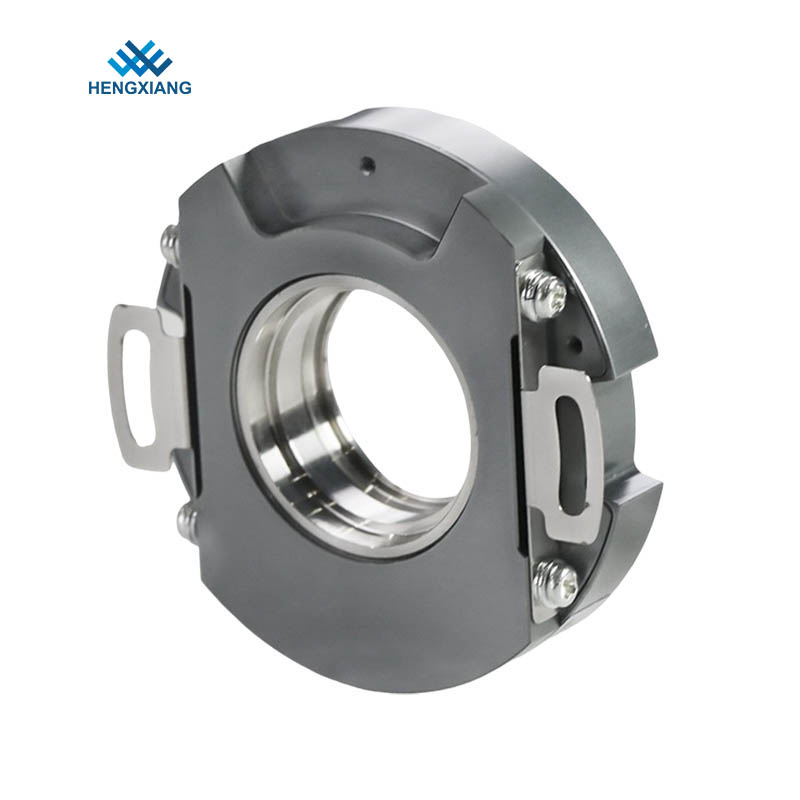
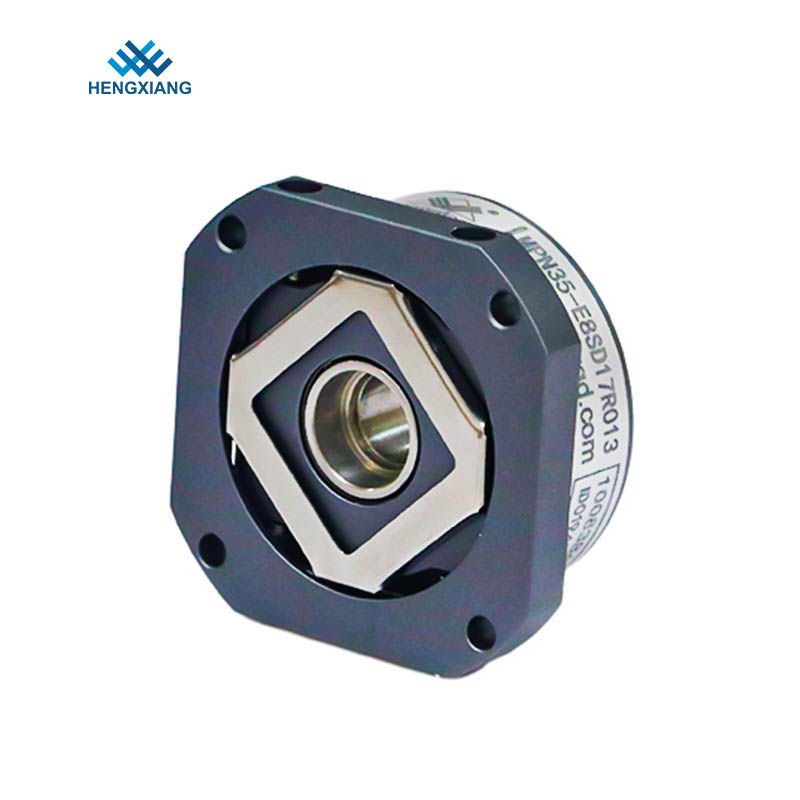
The bearingless magnetic encoder utilizes a non-contact sensing principle, identifying rotational position through changes in the magnetic field. Compared to traditional encoders with mechanical structures, it eliminates vulnerable components like bearings and reduces the impact of mechanical friction, resulting in smoother operation. This non-contact design not only extends the product's service life but also improves its adaptability to complex environments, ensuring long-term, stable performance. The hollow-shaft structure is a defining feature of this type of magnetic encoder; compared to traditional mounting methods, it accommodates diverse equipment configurations and offers greater flexibility in installation layout. This structure effectively saves internal space, allowing for tighter integration with motors and drive systems, thereby enhancing overall equipment design efficiency.
The bearingless structure ensures superior reliability during operation. By minimizing mechanical contact between rotating parts, the device experiences less wear and maintains consistent sensing performance. This design is particularly well-suited for industrial environments requiring continuous operation, helping to reduce maintenance frequency and boost overall operational efficiency. Precise position feedback is another major advantage. In automation control systems, accurately capturing rotational status is crucial for performance; the bearingless magnetic encoder provides reliable data to the control system via stable magnetic signal detection, enabling more precise motion control and improved overall operational capability.
The product also excels in environmental adaptability. Industrial equipment often faces challenging conditions such as temperature fluctuations, vibration, and dust; however, the bearingless magnetic encoder’s robust construction and non-contact operation minimize the impact of external factors on sensing accuracy. Its exceptional stability allows it to meet the demands of a wide range of industrial applications. The bearing-ess magnetic encoder offers significant design flexibility. It can be tailored to specific equipment requirements, allowing for seamless integration into motor systems, automation equipment, and precision mechanical structures. This versatility not only simplifies equipment development but also provides greater scope for optimization in engineering design.
The bearing-ess magnetic encoder plays a pivotal role in the field of motor control. As modern motor systems demand increasingly higher operational efficiency and control precision, reliable position sensing ensures smoother motor operation. By combining magnetic encoding technology with a hollow-shaft structure, the encoder delivers dependable feedback, driving the evolution of equipment toward greater intelligence. Compared to traditional encoders, the bearing-ess magnetic encoder offers distinct advantages in terms of maintenance. Its streamlined structure minimizes issues related to mechanical wear, thereby reducing maintenance complexity during long-term use. Furthermore, its compact design facilitates integration, supporting the development of smaller, more efficient products.
As industrial automation advances, the requirements for sensing components have become increasingly stringent. Thanks to its high reliability, ease of installation, and stable sensing capabilities, the bearing-ess magnetic encoder meets the needs of diverse applications, including robotics, intelligent manufacturing equipment, and automated control systems. It not only enhances equipment performance but also lays a solid foundation for the advancement of precision control technology. The hollow-shaft bearing-ess magnetic encoder combines advanced magnetic sensing technology with an optimized structural design, offering clear advantages in performance enhancement. By minimizing mechanical constraints and improving operational stability—while also offering installation flexibility—it provides a highly efficient and reliable position-sensing solution for modern industrial equipment. As intelligent manufacturing and automation technologies continue to evolve, the bearing-ess magnetic encoder will deliver significant value across a wider range of sectors, serving as a key component in driving the upgrade of precision control systems.
The bearingless magnetic encoder utilizes a non-contact sensing principle, identifying rotational position through changes in the magnetic field. Compared to traditional encoders with mechanical structures, it eliminates vulnerable components like bearings and reduces the impact of mechanical friction, resulting in smoother operation. This non-contact design not only extends the product's service life but also improves its adaptability to complex environments, ensuring long-term, stable performance. The hollow-shaft structure is a defining feature of this type of magnetic encoder; compared to traditional mounting methods, it accommodates diverse equipment configurations and offers greater flexibility in installation layout. This structure effectively saves internal space, allowing for tighter integration with motors and drive systems, thereby enhancing overall equipment design efficiency.
The bearingless structure ensures superior reliability during operation. By minimizing mechanical contact between rotating parts, the device experiences less wear and maintains consistent sensing performance. This design is particularly well-suited for industrial environments requiring continuous operation, helping to reduce maintenance frequency and boost overall operational efficiency. Precise position feedback is another major advantage. In automation control systems, accurately capturing rotational status is crucial for performance; the bearingless magnetic encoder provides reliable data to the control system via stable magnetic signal detection, enabling more precise motion control and improved overall operational capability.
The product also excels in environmental adaptability. Industrial equipment often faces challenging conditions such as temperature fluctuations, vibration, and dust; however, the bearingless magnetic encoder’s robust construction and non-contact operation minimize the impact of external factors on sensing accuracy. Its exceptional stability allows it to meet the demands of a wide range of industrial applications. The bearing-ess magnetic encoder offers significant design flexibility. It can be tailored to specific equipment requirements, allowing for seamless integration into motor systems, automation equipment, and precision mechanical structures. This versatility not only simplifies equipment development but also provides greater scope for optimization in engineering design.
The bearing-ess magnetic encoder plays a pivotal role in the field of motor control. As modern motor systems demand increasingly higher operational efficiency and control precision, reliable position sensing ensures smoother motor operation. By combining magnetic encoding technology with a hollow-shaft structure, the encoder delivers dependable feedback, driving the evolution of equipment toward greater intelligence. Compared to traditional encoders, the bearing-ess magnetic encoder offers distinct advantages in terms of maintenance. Its streamlined structure minimizes issues related to mechanical wear, thereby reducing maintenance complexity during long-term use. Furthermore, its compact design facilitates integration, supporting the development of smaller, more efficient products.
As industrial automation advances, the requirements for sensing components have become increasingly stringent. Thanks to its high reliability, ease of installation, and stable sensing capabilities, the bearing-ess magnetic encoder meets the needs of diverse applications, including robotics, intelligent manufacturing equipment, and automated control systems. It not only enhances equipment performance but also lays a solid foundation for the advancement of precision control technology. The hollow-shaft bearing-ess magnetic encoder combines advanced magnetic sensing technology with an optimized structural design, offering clear advantages in performance enhancement. By minimizing mechanical constraints and improving operational stability—while also offering installation flexibility—it provides a highly efficient and reliable position-sensing solution for modern industrial equipment. As intelligent manufacturing and automation technologies continue to evolve, the bearing-ess magnetic encoder will deliver significant value across a wider range of sectors, serving as a key component in driving the upgrade of precision control systems.