


How to Achieve Synergistic Optimization of High Resolution and Fast Response in Incremental Hollow Shaft Encoders in Automation Systems?
Release Time : 2026-04-14
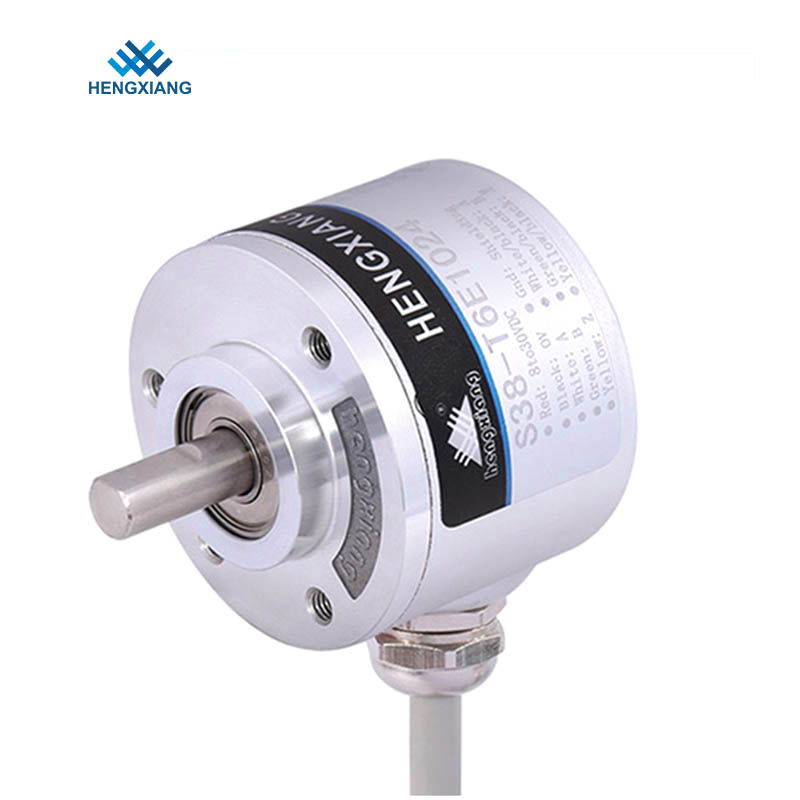
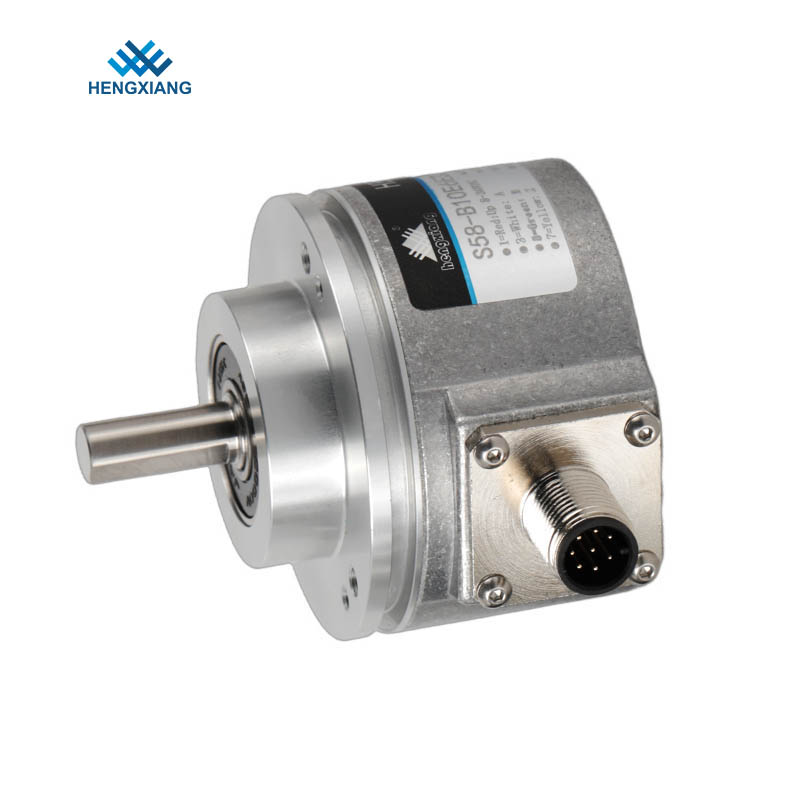
As a key detection component in automation systems, incremental hollow shaft encoders are primarily used for real-time feedback of rotational position and speed information. In high-precision control scenarios, encoders not only require high resolution but also fast response capabilities to meet the demands of high-speed operation and precise control.
1. Optimizing Photoelectric or Magnetoelectric Detection Principles to Enhance Resolution Foundation
The resolution of an encoder depends on its signal detection method and engraving accuracy. By employing high-precision photoelectric code disks or high-performance magnetic sensing elements, the signal sampling density can be significantly increased, thereby achieving higher resolution. Simultaneously, optimizing the signal readout structure reduces interference and errors, helping to maintain signal stability under high-resolution conditions.
2. Improving Signal Processing Speed to Shorten Response Time
With high-resolution output, the number of pulses generated per unit time increases significantly, placing higher demands on signal processing circuits. By using high-speed processing chips and optimized algorithms, pulse signals can be quickly analyzed, reducing delay time. Furthermore, a well-designed signal filtering and shaping circuit ensures signal quality without affecting response speed due to over-processing.
3. Optimize Structural Design to Reduce Mechanical Inertia
The mechanical structure of the encoder also significantly impacts dynamic response. Employing a lightweight code disk and low-inertia design reduces rotational resistance, enabling the encoder to respond more quickly to changes in shaft motion. Simultaneously, the optimized dual-bearing structure helps improve rotational stability and reduces the impact of vibration on the signal, thus maintaining accuracy during high-speed operation.
4. Improve Installation Accuracy to Ensure Signal Consistency
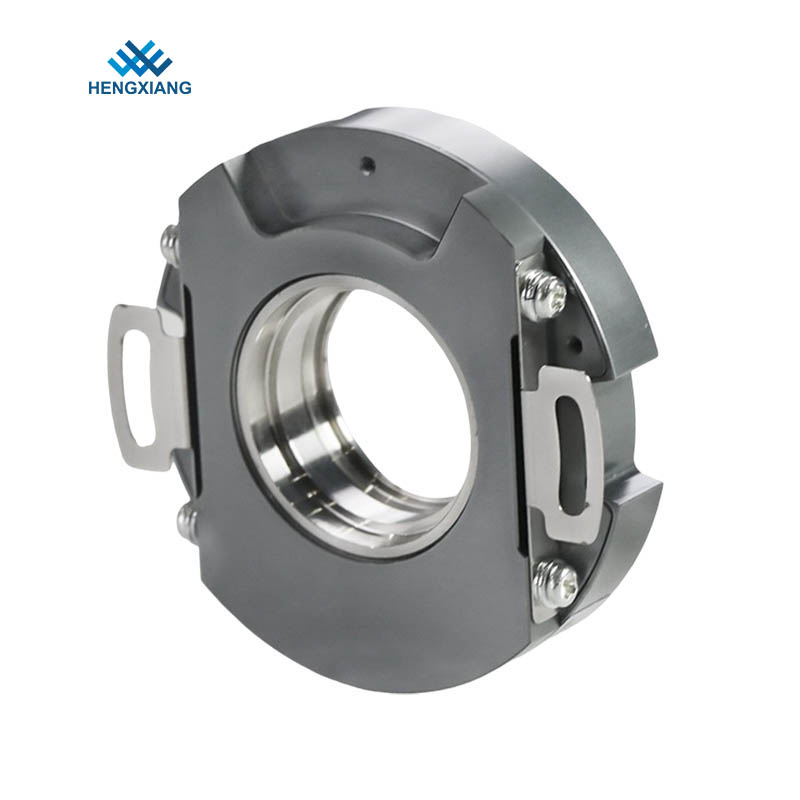
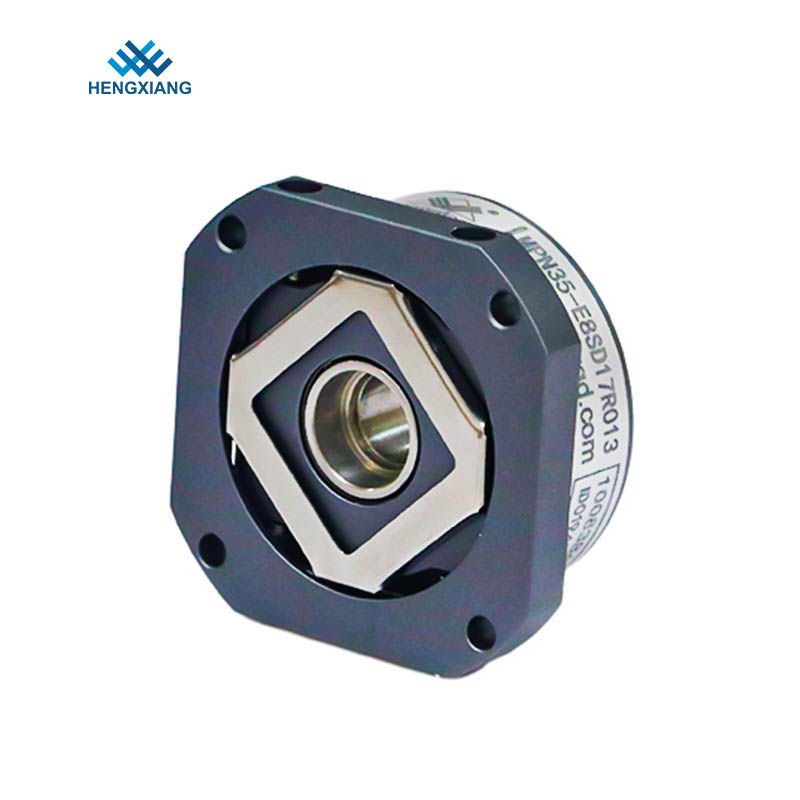
In practical applications, the installation accuracy of the encoder and motor shaft directly affects measurement results. A through-shaft concentric locking structure effectively reduces eccentricity and oscillation, ensuring signal output stability. Under high-resolution conditions, even minute deviations are amplified; therefore, high-precision installation is a crucial prerequisite for achieving synergistic optimization.
5. Use Differential Output to Enhance Anti-interference Capability
In high-speed automation systems, electromagnetic interference can affect signal quality. Employing differential signal output significantly improves anti-interference capability, ensuring the stability of high-frequency pulse signals during transmission. This is particularly critical for achieving both high resolution and fast response.
6. Optimize Electrical Interfaces and System Matching
Different control systems have varying capabilities in processing encoder signals. Therefore, it's crucial to select appropriate electrical interfaces and output methods based on the specific application. For example, matching with a high-speed counting module or a dedicated interface can fully leverage the encoder's performance and prevent response speed limitations caused by system bottlenecks.
7. Enhance Thermal Stability to Ensure Long-Term Performance
During prolonged high-speed operation, temperature variations can affect encoder performance. By selecting more stable materials and optimizing heat dissipation design, the impact of temperature drift on the signal can be reduced, thus maintaining long-term stable operation under high-resolution and fast-response conditions.
In conclusion, achieving synergistic optimization of high resolution and fast response in automated systems using incremental hollow shaft encoders requires comprehensive improvements across multiple aspects, including detection principles, signal processing, structural design, and system matching. Only through systematic optimization can accurate and rapid motion feedback be achieved under complex operating conditions, thereby enhancing the overall performance and control level of automated equipment.
1. Optimizing Photoelectric or Magnetoelectric Detection Principles to Enhance Resolution Foundation
The resolution of an encoder depends on its signal detection method and engraving accuracy. By employing high-precision photoelectric code disks or high-performance magnetic sensing elements, the signal sampling density can be significantly increased, thereby achieving higher resolution. Simultaneously, optimizing the signal readout structure reduces interference and errors, helping to maintain signal stability under high-resolution conditions.
2. Improving Signal Processing Speed to Shorten Response Time
With high-resolution output, the number of pulses generated per unit time increases significantly, placing higher demands on signal processing circuits. By using high-speed processing chips and optimized algorithms, pulse signals can be quickly analyzed, reducing delay time. Furthermore, a well-designed signal filtering and shaping circuit ensures signal quality without affecting response speed due to over-processing.
3. Optimize Structural Design to Reduce Mechanical Inertia
The mechanical structure of the encoder also significantly impacts dynamic response. Employing a lightweight code disk and low-inertia design reduces rotational resistance, enabling the encoder to respond more quickly to changes in shaft motion. Simultaneously, the optimized dual-bearing structure helps improve rotational stability and reduces the impact of vibration on the signal, thus maintaining accuracy during high-speed operation.
4. Improve Installation Accuracy to Ensure Signal Consistency
In practical applications, the installation accuracy of the encoder and motor shaft directly affects measurement results. A through-shaft concentric locking structure effectively reduces eccentricity and oscillation, ensuring signal output stability. Under high-resolution conditions, even minute deviations are amplified; therefore, high-precision installation is a crucial prerequisite for achieving synergistic optimization.
5. Use Differential Output to Enhance Anti-interference Capability
In high-speed automation systems, electromagnetic interference can affect signal quality. Employing differential signal output significantly improves anti-interference capability, ensuring the stability of high-frequency pulse signals during transmission. This is particularly critical for achieving both high resolution and fast response.
6. Optimize Electrical Interfaces and System Matching
Different control systems have varying capabilities in processing encoder signals. Therefore, it's crucial to select appropriate electrical interfaces and output methods based on the specific application. For example, matching with a high-speed counting module or a dedicated interface can fully leverage the encoder's performance and prevent response speed limitations caused by system bottlenecks.
7. Enhance Thermal Stability to Ensure Long-Term Performance
During prolonged high-speed operation, temperature variations can affect encoder performance. By selecting more stable materials and optimizing heat dissipation design, the impact of temperature drift on the signal can be reduced, thus maintaining long-term stable operation under high-resolution and fast-response conditions.
In conclusion, achieving synergistic optimization of high resolution and fast response in automated systems using incremental hollow shaft encoders requires comprehensive improvements across multiple aspects, including detection principles, signal processing, structural design, and system matching. Only through systematic optimization can accurate and rapid motion feedback be achieved under complex operating conditions, thereby enhancing the overall performance and control level of automated equipment.